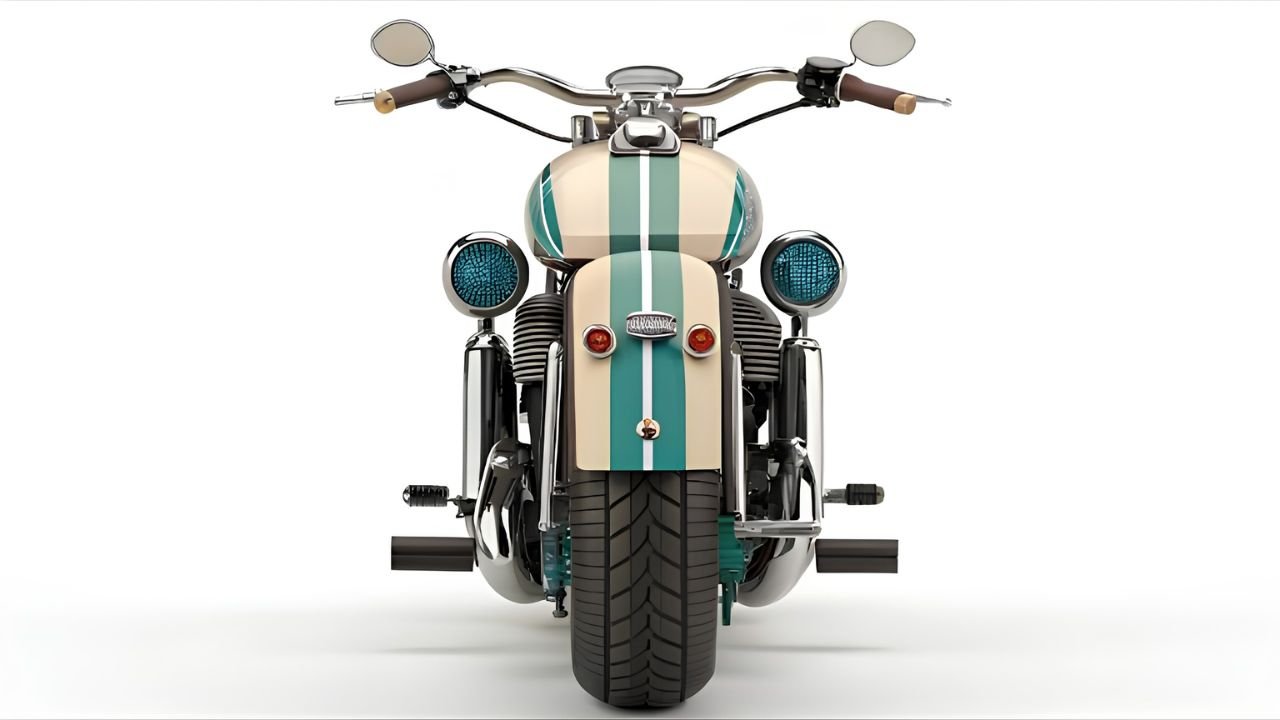
Harley-Davidson X400: The Harley-Davidson X400 has become one of the most talked-about motorcycles in the entry-level premium segment, mainly because it represents a new direction for the brand. Known traditionally for heavyweight cruisers and iconic V-twin machines, Harley-Davidson’s collaboration for the X400 signals a shift toward younger riders and global markets where mid-capacity motorcycles dominate.
The X400 is designed to offer a balance between Harley’s signature road presence and a more accessible, practical riding experience. It aims to attract new riders who want the brand identity without the size, weight, and cost of larger Harley models.
Overview of Harley-Davidson X400
The Harley-Davidson X400 sits in the mid-displacement category and is positioned as an entry point into the Harley-Davidson lifestyle. It is expected to compete in a segment where bikes like the Royal Enfield Interceptor 650, Kawasaki Z400, and KTM Duke series already have strong presence.
What makes the X400 interesting is its global-focused design approach. Instead of being a pure American cruiser, it is developed with international collaboration, likely influenced by manufacturing partnerships that help keep costs competitive while maintaining premium branding.
This motorcycle is built for riders who want everyday usability, comfortable ergonomics, and enough performance for highway rides without overwhelming power.
Design Philosophy and Styling
The design of the Harley-Davidson X400 reflects a blend of modern roadster styling with subtle Harley DNA. Unlike traditional cruisers, the X400 adopts a more upright stance, making it suitable for city commuting as well as weekend touring.
The motorcycle is expected to feature a muscular fuel tank, compact rear section, and clean body lines that emphasize simplicity and strength. The overall styling avoids excessive chrome, instead focusing on a more urban and sporty appearance.

Key design elements include a round LED headlamp, sculpted tank design, premium paint finish, and minimalistic side panels. The seating position is likely to be comfortable with a slightly forward-set handlebar and mid-mounted foot pegs, ensuring a relaxed yet controlled riding posture.
The X400 also targets younger riders, so its design language is less traditional cruiser and more modern street bike, while still carrying Harley’s recognizable brand identity.
Engine and Performance
At the heart of the Harley-Davidson X400 is expected to be a 400cc-class liquid-cooled engine tuned for balanced performance rather than aggressive power delivery. The engine is likely to be developed in collaboration with a partner manufacturer, ensuring efficiency, reliability, and cost effectiveness.
The power output is expected to be in the range of mid-30 horsepower, which is suitable for both city riding and moderate highway cruising. Torque delivery is expected to be smooth and linear, making it beginner-friendly while still enjoyable for experienced riders.
The 6-speed gearbox is expected to offer refined shifts, helping the bike maintain good fuel efficiency at higher speeds. The engine tuning focuses on low and mid-range torque, which is ideal for urban traffic conditions and occasional long rides.
Riders can expect a top speed suitable for highway cruising, but the main strength of the X400 lies in its balance between performance and practicality rather than outright speed.

Ride Quality and Handling
One of the key priorities for the Harley-Davidson X400 is rider comfort. The chassis is expected to be designed for stability and ease of handling rather than aggressive sport performance.
The bike is likely to feature a lightweight frame compared to traditional Harley motorcycles, making it easier to maneuver in traffic. Suspension setup is expected to include telescopic front forks and a rear mono-shock system, tuned for comfort over rough roads.
The riding experience is expected to be stable at higher speeds while still being nimble enough for city navigation. The weight distribution will likely be balanced to ensure confidence during cornering and braking.
Braking performance is expected to include disc brakes on both wheels with ABS as standard, enhancing safety in different road conditions.
Features and Technology
The Harley-Davidson X400 is expected to include modern features that appeal to younger and tech-savvy riders. While it may not be overloaded with electronics, it will likely include essential digital upgrades.
A digital instrument cluster is expected to provide speed, fuel level, gear position, and trip information. LED lighting is likely to be standard across headlamp, tail lamp, and indicators.
Some variants may include smartphone connectivity for navigation alerts and ride data tracking, depending on market availability.
Other expected features include:
- Dual-channel ABS
- Slipper clutch for smoother downshifts
- USB charging port
- Side-stand engine cut-off
- Gear position indicator
These features aim to make the X400 practical for daily use while maintaining a premium feel.
Comfort and Ergonomics
Comfort is one of the strongest points expected from the Harley-Davidson X400. The seating position is designed to reduce fatigue during long rides, with a well-padded seat and upright posture.
The seat height is expected to be accessible for most riders, making it suitable for beginners as well. The handlebar position ensures minimal strain on the wrists, while the foot peg placement supports a relaxed riding stance.
Passenger comfort is also expected to be decent, with a well-cushioned pillion seat and grab rails for support.

This makes the X400 a versatile motorcycle for both solo commuting and two-up touring.
Mileage and Efficiency
Fuel efficiency plays an important role in the 400cc segment, and the Harley-Davidson X400 is expected to deliver competitive mileage figures.
Depending on riding conditions, the motorcycle could offer moderate to good fuel economy, making it suitable for daily commuting as well as weekend travel.
The engine tuning focuses on efficiency without compromising too much on performance, ensuring a balanced ownership experience.
Pricing and Market Position
The Harley-Davidson X400 is expected to be positioned as one of the most affordable Harley-Davidson motorcycles in the global market. Its pricing strategy aims to attract new riders who may have previously considered Harley bikes out of reach.
In markets like India and Southeast Asia, the X400 is expected to compete in the premium mid-range segment, offering brand value at a relatively accessible price point.

This positioning is crucial for Harley-Davidson as it seeks to expand its customer base beyond traditional heavyweight cruiser buyers.
Competition in the Segment
The X400 enters a highly competitive segment where several established motorcycles already dominate.
Its key competitors include:
- Royal Enfield Interceptor 650
- KTM Duke 390
- Kawasaki Z400
- Honda CB500 series (in select markets)
Each of these bikes offers strong performance, features, or brand loyalty, so the X400 must rely heavily on Harley-Davidson branding, design appeal, and balanced performance to stand out.
Key Highlights
- Harley-Davidson X400 is an entry-level premium motorcycle targeting global markets
- It features a 400cc-class engine tuned for balanced performance and efficiency
- Modern street-bike design with subtle Harley styling cues
- Expected output of mid-30 horsepower with smooth torque delivery
- Comfortable upright riding position suitable for city and highway use
- Equipped with ABS, digital console, and essential modern features
- Designed to attract younger riders and new Harley customers
- Strong competition in the mid-range motorcycle segment
Final Words
The Harley-Davidson X400 represents an important step for the brand as it moves toward more accessible and globally competitive motorcycles. By combining modern design, practical performance, and everyday usability, it aims to attract a new generation of riders who want the Harley-Davidson badge without the complexity and cost of larger bikes.While it faces tough competition in the 400cc segment, its success will depend on how well it balances brand identity with real-world riding value. If executed properly, the X400 could become a gateway motorcycle that introduces thousands of new riders to the Harley-Davidson ecosystem.