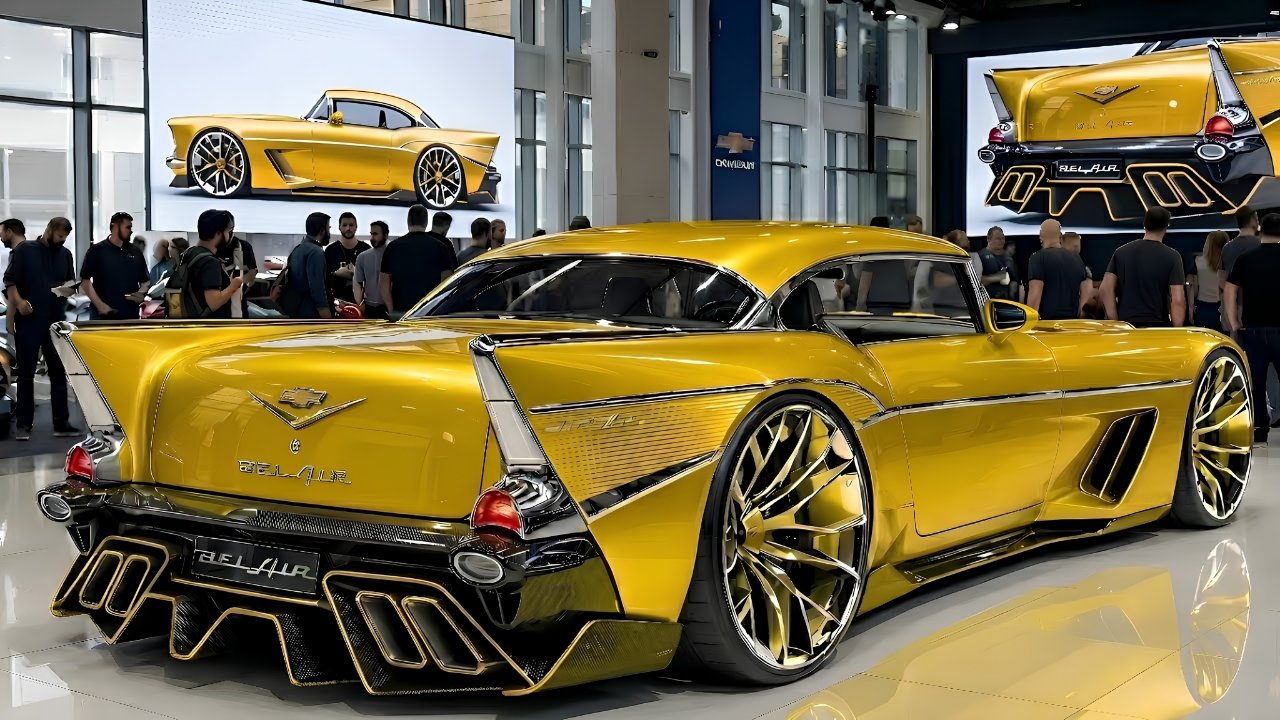
Chevrolet Bel Air: The Chevrolet Bel Air is one of the most recognizable names in the world of classic automobiles. Introduced during a time when American car culture was rapidly evolving, the Bel Air became a symbol of style, comfort, and performance. Even decades after its production ended, it continues to attract car enthusiasts, collectors, and vintage lovers across the globe. Its unique design, powerful engines, and cultural significance make it more than just a car; it represents an era when automobiles were crafted with personality and character.
History of Chevrolet Bel Air
The Chevrolet Bel Air was first introduced in the early 1950s by General Motors under the Chevrolet brand. Initially, it started as a premium two-door hardtop model in 1950, but by 1953 it officially became a full model line. The car quickly gained popularity due to its combination of affordability and luxury features compared to other vehicles of its time.
During the 1950s and early 1960s, the Bel Air went through several generations, each bringing improvements in design, engine performance, and comfort. The most iconic versions are often considered to be the 1955, 1956, and 1957 models, famously known as the “Tri-Five Chevys.” These models played a major role in shaping American automotive identity. Production of the Bel Air continued in North America until 1975, although in some international markets it lasted even longer.
Design and Exterior Features
One of the strongest reasons behind the popularity of the Chevrolet Bel Air is its stunning design. The car perfectly captures the essence of 1950s American automotive styling, with bold chrome accents, long body lines, and distinctive tailfins.
The front fascia typically features a wide chrome grille and stylish dual headlights, giving it a confident road presence. The side profile is equally impressive, often decorated with chrome trim that runs along the length of the vehicle. The rear design includes iconic tailfins, especially in the late 1950s models, which became a signature style element of that era.

Color combinations were another highlight. Two-tone paint schemes were extremely popular, giving the car a luxurious and personalized look. Overall, the Bel Air’s exterior design is a perfect blend of elegance and bold American styling.
Interior Comfort and Technology
Inside the Chevrolet Bel Air, comfort was a major priority. The cabin was designed to offer a spacious and pleasant driving experience, which was quite advanced for its time. The seats were wide and cushioned, often upholstered in premium fabric or vinyl materials depending on the variant.
The dashboard featured a simple yet stylish layout with chrome detailing and easy-to-read gauges. Although it lacked modern digital technology, the controls were intuitive and driver-friendly. Features like air conditioning, power steering, and upgraded radio systems were available in higher trims or later models.
The overall interior experience focused on comfort, relaxation, and a smooth ride, making it suitable for both city driving and long road trips.

Engine and Performance Specifications
The Chevrolet Bel Air was known for offering a variety of engine options throughout its production years. Early models came with inline-six engines, which were reliable and fuel-efficient for daily driving. However, the real excitement came with the introduction of V8 engines in the mid-1950s.
The small-block V8 engine, especially in the 1955 model, was a game changer. It offered impressive horsepower for its time and significantly improved acceleration and overall performance. Later models provided even more powerful engine options, making the Bel Air a favorite among performance enthusiasts.
Transmission options included manual gearboxes as well as automatic transmissions, which were becoming increasingly popular during that era. The suspension system was designed to provide a smooth and stable ride, even on uneven roads. Overall, the Bel Air delivered a balanced combination of power, comfort, and reliability.
Why Chevrolet Bel Air Became a Cultural Icon
The Chevrolet Bel Air became more than just a car; it became a cultural symbol of post-war America. During the 1950s, the United States experienced economic growth, and automobiles became a representation of freedom and success. The Bel Air perfectly captured this spirit.

It also became deeply associated with music, movies, and pop culture. Many classic films and rock and roll songs featured the Bel Air as a symbol of youth and style. Its distinctive design made it instantly recognizable, even for people who were not car enthusiasts.
The car also played a major role in the development of American car customization culture. Hot rodding and custom modifications became popular among owners who wanted to personalize their vehicles, and the Bel Air was one of the most commonly modified cars.
Popularity Among Collectors Today
Today, the Chevrolet Bel Air remains highly popular among collectors and vintage car enthusiasts. Well-maintained or restored models can fetch high prices in auctions due to their rarity and historical significance.
Collectors value the Bel Air for its timeless design, strong engine performance, and emotional connection to the golden age of automobiles. Restored models, especially the 1957 version, are considered prized possessions in many classic car collections.

Car shows and vintage exhibitions around the world frequently showcase the Bel Air, where it continues to attract attention and admiration from audiences of all ages.
Restoration and Maintenance Insights
Restoring a Chevrolet Bel Air is both a passion and a challenge. Since the car is several decades old, finding original parts can be difficult. However, many aftermarket suppliers specialize in classic Chevrolet components, making restoration more accessible.
Common restoration tasks include bodywork repair, chrome polishing, engine rebuilding, and interior refurbishment. Enthusiasts often aim to preserve the original look while upgrading certain mechanical parts for better reliability.
Maintenance of a restored Bel Air requires regular care, especially for its engine and body structure. Proper storage, rust prevention, and timely servicing are essential to maintain its value and performance over time.

Key Highlights
The Chevrolet Bel Air is one of the most iconic American classic cars ever produced
It was introduced in the early 1950s and became a full model line by 1953
The 1955–1957 “Tri-Five” models are the most famous versions
It features a stylish chrome-heavy exterior with distinctive tailfins
The car offers both inline-six and powerful V8 engine options
It became a cultural symbol of American freedom and prosperity
It remains highly valuable among collectors and vintage car enthusiasts today
Restoration of the Bel Air is popular but requires careful maintenance and authentic parts
Final Words
The Chevrolet Bel Air stands as a timeless representation of classic American automotive design and innovation. Its blend of elegance, performance, and cultural importance has helped it maintain a strong reputation even decades after its production ended. Whether admired in museums, showcased at car events, or restored by passionate collectors, the Bel Air continues to live on as a true legend in automotive history.