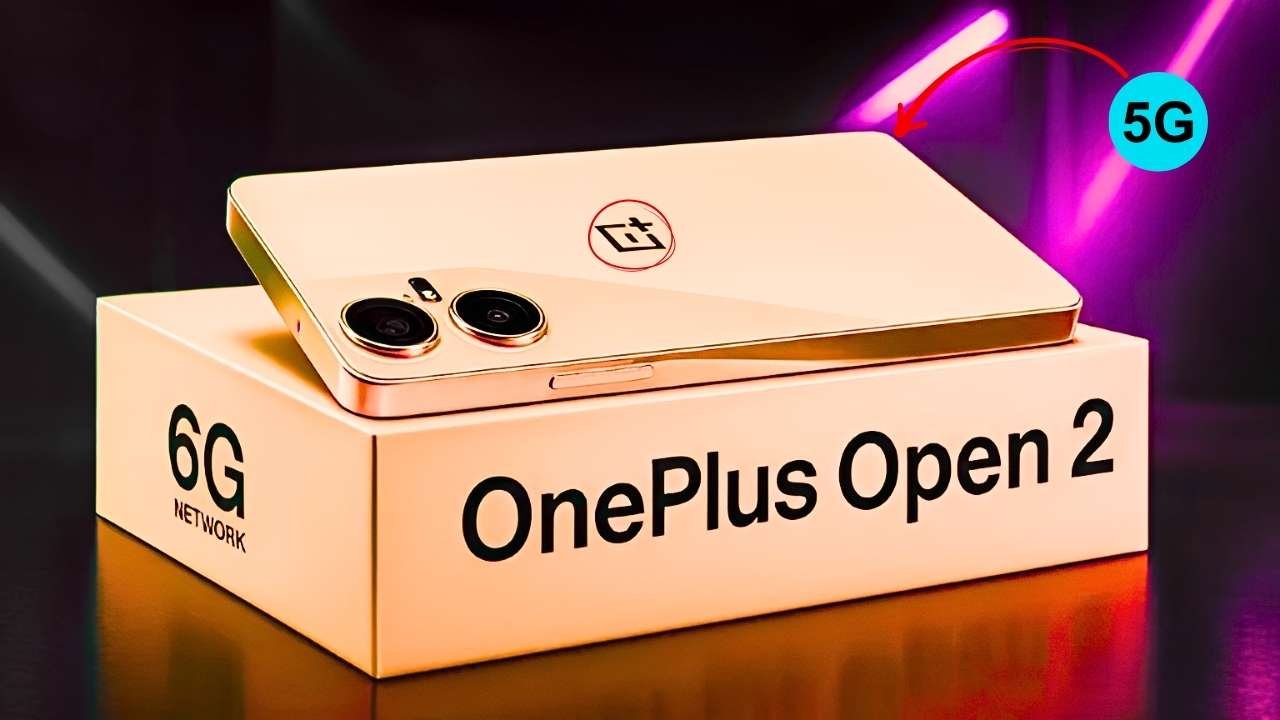
The foldable smartphone market has grown rapidly in recent years, with several brands competing to deliver the perfect balance of innovation, performance, and practicality. OnePlus entered this segment with the OnePlus Open, which was praised for its design and software optimization. Naturally, expectations were high for its successor, the OnePlus Open 2. This article explores the price, specifications, launch timeline, and key highlights of the new foldable, while also addressing the challenges surrounding its release.
Price and Market Position
The OnePlus Open 2 was expected to be priced competitively compared to other foldable devices. Reports suggested that the global price could start around 952 USD, 1,499 EUR, and approximately 139,990 INR in India. This pricing strategy positioned the device as a premium foldable, competing directly with Samsung’s Galaxy Z Fold series and other high-end foldables. The intention was to offer flagship-level specifications at a slightly more accessible price point, appealing to both loyal OnePlus fans and new buyers interested in foldable technology.

Specifications Overview
The OnePlus Open 2 was designed to deliver cutting-edge hardware and software. Some of the key specifications included:

- Foldable LTPO3 Flexi-fluid AMOLED display, 8 inches, with 120Hz refresh rate and Dolby Vision support.
- Resolution of 2268 x 2440 pixels, offering sharp visuals and vibrant colors.
- Qualcomm Snapdragon 8 Elite chipset built on a 3nm process, ensuring top-tier performance.
- 16GB RAM with 512GB internal storage, catering to power users and multitaskers.
- Triple rear camera setup with a 50MP wide sensor, complemented by advanced imaging features.
- 20MP front camera for selfies and video calls.
- Large 5900mAh battery with fast charging support.
- IPX8 water resistance, making it durable against accidental splashes and immersion.
Design and Build Quality
The OnePlus Open 2 carried forward the sleek and premium design language of its predecessor. The foldable mechanism was refined to ensure durability and smooth operation. The device was expected to be available in elegant color options, with a slim profile when folded and a tablet-like experience when unfolded. The build quality emphasized both aesthetics and practicality, making it suitable for everyday use while maintaining a luxurious feel.

Software and User Experience
OnePlus has always focused on delivering a clean and responsive software experience. The Open 2 was expected to run on OxygenOS, optimized for foldable displays. Features such as multitasking, split-screen functionality, and app continuity were designed to enhance productivity. The software was also tailored to take advantage of the large display, offering immersive entertainment and efficient work capabilities.

Launch Timeline
Initially, the OnePlus Open 2 was rumored to launch in late 2025 or early 2026. However, reports later indicated that the global launch had been canceled in 2026. Rising costs of RAM and storage, along with other market challenges, were cited as possible reasons for the delay. While internal testing had reportedly begun, the decision to halt the launch surprised many enthusiasts and analysts. This cancellation highlighted the complexities of the foldable market, where high production costs and evolving consumer expectations can impact product strategies.

Market Impact and Consumer Expectations
The cancellation of the OnePlus Open 2 disappointed many fans who were eagerly waiting for the device. The foldable market is still relatively niche, but it is growing steadily. OnePlus had the opportunity to strengthen its position by offering a competitive alternative to Samsung and Huawei. The absence of the Open 2 leaves a gap in OnePlus’s portfolio, raising questions about the brand’s future in the foldable segment. Consumers now look forward to whether OnePlus will revisit the project or introduce a different foldable model in the coming years.
Challenges in the Foldable Segment
Foldable smartphones are complex to manufacture, requiring advanced engineering and high-quality materials. Costs associated with displays, hinges, and internal components are significantly higher than traditional smartphones. Additionally, software optimization plays a crucial role in delivering a seamless experience. For OnePlus, balancing affordability with premium features proved to be a challenge. The cancellation of the Open 2 reflects these difficulties, showing that even established brands face hurdles in this competitive space.
Key Highlights
- Expected price: 952 USD, 1,499 EUR, and 139,990 INR in India.
- Foldable 8-inch LTPO3 AMOLED display with 120Hz refresh rate.
- Snapdragon 8 Elite chipset with 16GB RAM and 512GB storage.
- Triple 50MP rear camera and 20MP front camera.
- 5900mAh battery with fast charging support.
- IPX8 water resistance for durability.
- Launch canceled in 2026 despite internal testing.
- Market challenges and rising component costs influenced the decision.
Final Words
The OnePlus Open 2 was envisioned as a powerful and stylish foldable that could redefine the brand’s presence in the premium smartphone market. With impressive specifications and a competitive price, it had the potential to attract a wide audience. However, the cancellation of its launch underscores the challenges of producing foldable devices at scale. While fans may be disappointed, the story of the Open 2 highlights the evolving nature of the smartphone industry, where innovation must balance with practicality and cost. The future of OnePlus in the foldable segment remains uncertain, but the anticipation for what comes next continues to keep enthusiasts engaged.