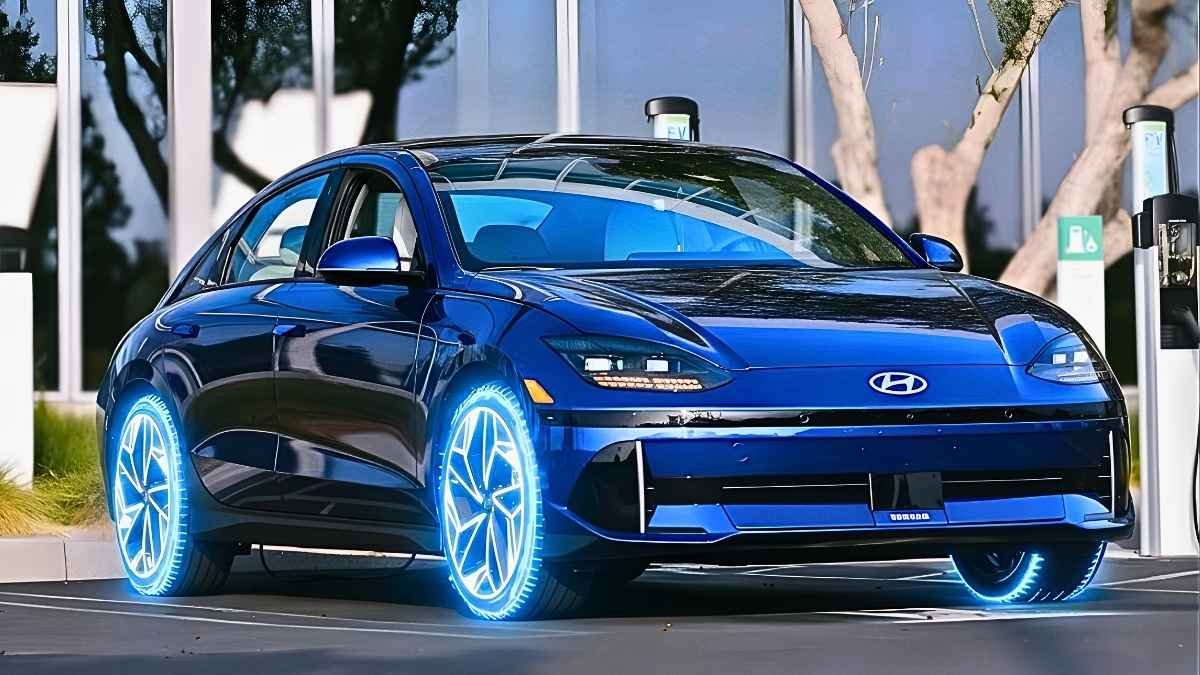
EV Adoption 2026: The global automotive industry is undergoing one of the biggest transformations in its history, and electric vehicles are at the center of this change. By 2026, EV adoption is no longer just a trend driven by early adopters or environmental activists. It has become a mainstream movement reshaping economies, supply chains, city planning, and consumer behavior across the world. From advanced markets in Europe and China to emerging economies in Asia, Africa, and Latin America, electric cars are driving a new phase of global expansion.
The State of EV Adoption in 2026
By 2026, electric vehicles have firmly entered the mass market. Improved battery technology, wider charging infrastructure, and competitive pricing have made EVs a practical choice for millions of consumers. Governments and private manufacturers have aligned their strategies, resulting in faster rollout of electric models across all vehicle segments, including compact cars, SUVs, commercial fleets, and even heavy-duty vehicles.
What sets 2026 apart is not just the volume of EVs on the road, but the diversity of markets adopting them. While Europe and China continue to lead in overall numbers, regions such as Southeast Asia, the Middle East, and parts of Africa are seeing accelerated growth due to falling costs and localized manufacturing.
Technological Advancements Fueling Expansion
One of the biggest drivers of EV adoption in 2026 is technology. Battery energy density has improved significantly, allowing vehicles to travel longer distances on a single charge. Faster charging solutions have reduced range anxiety, with many EVs now capable of adding hundreds of kilometers of range in under 20 minutes.

Software innovation also plays a critical role. Smart energy management systems, over-the-air updates, and AI-powered driving assistance have enhanced the overall ownership experience. These advancements make electric cars feel less like alternatives and more like upgrades compared to traditional internal combustion vehicles.
Government Policies and Regulatory Support
Policy support remains a cornerstone of global EV expansion. In 2026, many countries have strengthened emission regulations and announced clear timelines for phasing out petrol and diesel vehicles. Incentives such as tax rebates, reduced registration fees, and free access to low-emission zones continue to encourage buyers to switch to electric.
Developing nations are also adopting tailored policies. Instead of focusing solely on private cars, they are prioritizing electric buses, two-wheelers, and shared mobility solutions. This approach helps reduce urban pollution while keeping transportation affordable for a larger population.

Expanding Charging Infrastructure Worldwide
Charging infrastructure has evolved from a major bottleneck into a competitive advantage. In 2026, urban areas are equipped with dense networks of public chargers, while highways feature fast-charging corridors that support long-distance travel. Residential and workplace charging solutions have also become more accessible, often integrated with renewable energy systems.
In emerging markets, innovative approaches such as battery swapping and solar-powered charging stations are accelerating adoption. These solutions address challenges like unreliable power grids and limited urban planning, enabling EV growth even in resource-constrained regions.
Economic Impact and Job Creation
The rise of electric vehicles is reshaping the global economy. New industries have emerged around battery manufacturing, recycling, software development, and charging infrastructure. By 2026, millions of jobs have been created across the EV value chain, from mining raw materials to designing next-generation vehicles.

At the same time, traditional automotive hubs are reinventing themselves. Countries that once relied heavily on combustion engine manufacturing are investing in retraining programs to ensure workers can transition into electric mobility roles. This economic shift highlights how EV adoption is not just an environmental story, but a broader development narrative.
Consumer Behavior and Market Acceptance
Consumer perception of electric vehicles has changed dramatically. In 2026, EVs are no longer seen as niche or experimental. Buyers are attracted by lower running costs, reduced maintenance, and quieter driving experiences. Total cost of ownership often favors electric cars, especially in regions with high fuel prices.
Brand competition has also intensified. Established automakers now compete with new entrants and startups, offering a wide range of designs, features, and price points. This competition benefits consumers and accelerates innovation, further driving global adoption.

Sustainability and Environmental Impact
Environmental concerns remain a powerful motivator behind EV adoption. As renewable energy usage increases, the carbon footprint of electric vehicles continues to decline. Cities adopting electric mobility report measurable improvements in air quality and noise reduction, enhancing overall quality of life.
In 2026, more attention is also being paid to battery recycling and ethical sourcing of materials. Circular economy practices are becoming standard, ensuring that the environmental benefits of EVs extend throughout their entire lifecycle.
Key Highlights
EV adoption in 2026 is driven by improved battery technology and faster charging
Government policies worldwide are accelerating the transition to electric mobility
Emerging markets are playing a growing role in global EV expansion
Charging infrastructure is expanding rapidly with innovative solutions
Electric vehicles are creating new economic opportunities and jobs
Consumer acceptance is at an all-time high due to affordability and performance

Final Words
By 2026, electric vehicles have moved beyond being a futuristic concept and become a defining force in global transportation. Their rapid adoption reflects a combination of technological progress, supportive policies, economic opportunity, and changing consumer values. As electric cars continue to drive global expansion, they are not only transforming how people move but also shaping a more sustainable and interconnected future for the world.