Electric Vehicle Trends 2026: The global automotive industry is undergoing one of the most significant transformations in its history, and electric vehicles are at the center of this change. As we move into 2026, electric vehicle adoption is no longer limited to early adopters or environmentally conscious buyers. It has become a mainstream movement driven by technological progress, government policies, economic advantages, and changing consumer behavior. The year 2026 represents a turning point where electric mobility is scaling globally, reshaping industries, infrastructure, and urban lifestyles.
The Global Shift Toward Electric Mobility
Electric vehicles have moved from niche products to strategic priorities for nations and manufacturers alike. Governments across the world are tightening emission regulations, pushing automakers to accelerate electrification plans. Countries in Europe, North America, and Asia are setting ambitious targets to phase out internal combustion engine vehicles over the next decade.
By 2026, this policy-driven momentum is expected to result in a sharp rise in EV penetration, particularly in emerging markets. Nations that once relied heavily on fuel imports are now viewing electric vehicles as a pathway to energy independence. This global shift is not just about sustainability but also about economic resilience and long-term competitiveness.
Advancements in Battery Technology
Battery innovation remains the backbone of electric vehicle expansion. In 2026, improvements in battery chemistry, energy density, and lifecycle performance are transforming EV ownership. Solid-state batteries, although still in early commercialization, are beginning to show real-world promise with faster charging times and enhanced safety.

At the same time, lithium-ion battery costs continue to decline, making electric vehicles more affordable across multiple segments. Longer driving ranges and reduced charging anxiety are addressing one of the biggest barriers to adoption. As battery recycling technologies improve, sustainability across the entire EV lifecycle is also becoming a key focus area.
Expansion of Charging Infrastructure Worldwide
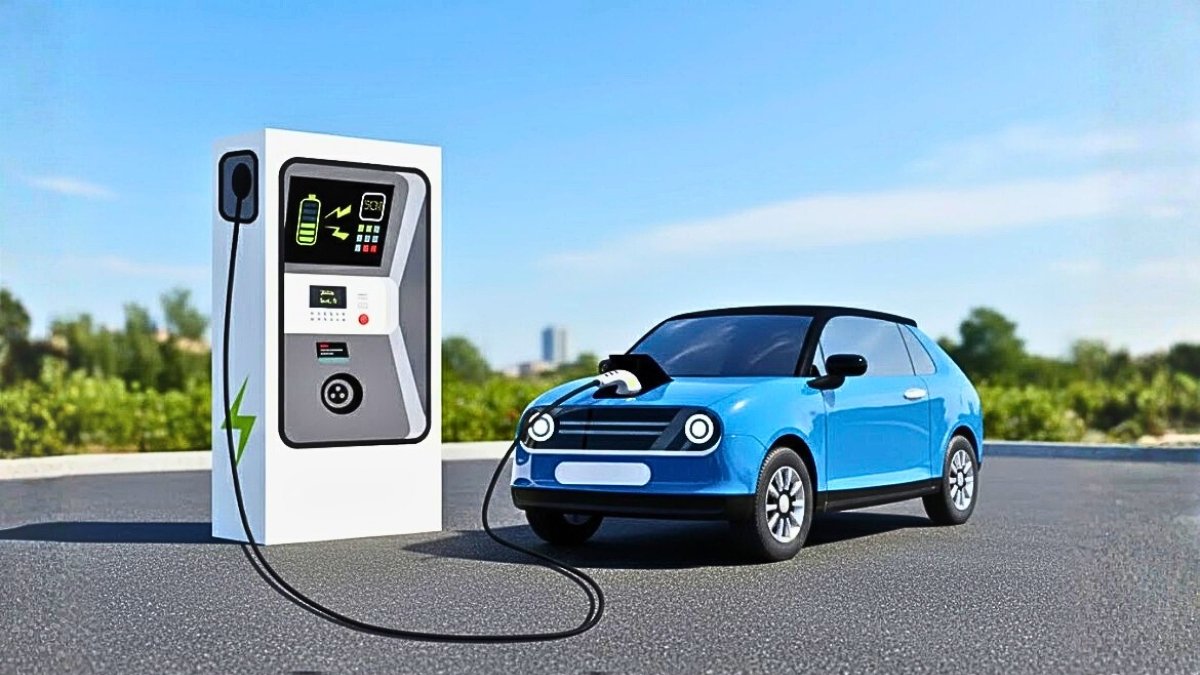
One of the most visible trends driving EV growth in 2026 is the rapid expansion of charging infrastructure. Public and private investment in charging networks has increased significantly, with fast-charging stations becoming more common along highways, urban centers, and residential areas.
Wireless charging pilots, ultra-fast chargers, and smart grid integration are redefining how drivers interact with electric vehicles. In developing regions, innovative solutions such as solar-powered charging stations are bridging infrastructure gaps. This expansion is making electric vehicles a practical option not only for city drivers but also for long-distance travelers.

Automakers Redefining Their Global Strategies
Automakers are no longer experimenting with electric vehicles; they are fully committing to them. By 2026, most major automotive brands have announced electrification roadmaps covering multiple vehicle categories, from compact cars to luxury SUVs and commercial fleets.
New EV-focused brands are also emerging, particularly in Asia, offering competitive pricing and technology-driven features. Traditional manufacturers are forming strategic partnerships with battery suppliers, software firms, and energy companies to strengthen their position in the electric ecosystem. This shift is intensifying global competition and accelerating innovation at an unprecedented pace.
Electric Vehicles and the Rise of Smart Mobility
Electric vehicles in 2026 are not just about clean energy; they are becoming integral components of smart mobility systems. Advanced software, artificial intelligence, and connectivity features are transforming EVs into intelligent platforms on wheels.

Vehicle-to-grid technology allows electric cars to interact with power systems, supporting energy storage and grid stability. Autonomous driving features, though still evolving, are increasingly integrated into electric models. These developments are aligning electric vehicles with the broader vision of smart cities and connected transportation networks.
Emerging Markets Driving the Next Growth Wave
While early EV adoption was concentrated in developed economies, 2026 marks a strong push into emerging markets. Countries in Southeast Asia, Latin America, Africa, and the Middle East are witnessing growing interest in electric mobility.
Affordable electric two-wheelers, three-wheelers, and compact cars are playing a crucial role in this expansion. Government incentives, lower operating costs, and rising fuel prices are encouraging consumers to make the switch. Local manufacturing and assembly plants are also boosting employment and reducing costs, making EVs more accessible to a wider population.

Environmental and Economic Impact of EV Expansion
The environmental benefits of electric vehicles extend beyond reduced tailpipe emissions. By 2026, cleaner energy grids and renewable integration are further amplifying the positive impact of EV adoption. Reduced air pollution in urban areas is improving public health and quality of life.
Economically, the EV industry is creating new job opportunities in manufacturing, software development, infrastructure, and energy management. Supply chains are evolving, and nations investing early in electric mobility are positioning themselves as leaders in future transportation technologies.
Key Highlights
Electric vehicle adoption in 2026 is driven by strong government policies and global emission reduction goals
Battery technology improvements are making EVs more affordable and practical
Charging infrastructure expansion is reducing range anxiety and improving accessibility
Automakers are fully transitioning toward electric-focused product portfolios
Smart mobility and connected technologies are enhancing the EV experience
Emerging markets are becoming major contributors to global EV growth
Environmental and economic benefits are reinforcing long-term EV expansion

Final Words
The electric vehicle trends shaping 2026 clearly indicate that the future of transportation is electric, connected, and globally integrated. What was once seen as a gradual transition has now become a rapid transformation impacting industries, economies, and everyday life. As technology matures and infrastructure expands, electric vehicles are no longer an alternative but a central pillar of global mobility.
Looking ahead, the success of electric vehicle expansion will depend on collaboration between governments, manufacturers, energy providers, and consumers. With the foundations already in place, 2026 stands as a defining year that drives the world closer to a cleaner, smarter, and more sustainable transportation future.