
The Honda Magna has long been one of those motorcycles that riders remember even years after selling it. Known for its smooth V4 engine, comfortable cruiser stance, and surprisingly strong performance, the Magna carved a unique identity in the motorcycle world. While many cruisers focused purely on looks and low-end torque, the Magna brought something different to the table: sport-like acceleration wrapped in a relaxed, rider-friendly design. This review breaks down the bike’s power, performance, specifications, and real-world ride experience to help you understand why the Honda Magna still holds a loyal fan base.
Design and Build Quality
At first glance, the Honda Magna looks like a classic cruiser, with a low seat height, stretched-out profile, and long chrome exhausts. What sets it apart is how compact and purposeful it feels compared to larger cruisers. The bike maintains a muscular tank shape and a clean, minimalistic rear section that avoids unnecessary bulk. Honda’s build quality shows through in the solid welds, reliable components, and paint that tends to hold up well even after years of use.
The seating position is comfortable for both long rides and daily city use. The handlebars sit at a natural angle, and the pegs are forward enough to feel relaxing without forcing the rider into an awkward stretch. Riders between 5’4″ and 6’2″ typically find the Magna easy to handle due to its accessible seat height. Despite its cruiser tag, the Magna feels lighter on its feet than many competitors, making it approachable for newer riders as well.

Engine and Performance
The standout feature of the Honda Magna has always been its engine. Unlike typical V-twins found in most cruisers, the Magna uses a liquid-cooled V4 derived from Honda’s sportbike technology. This gives it smooth throttle response, high-revving capability, and enough horsepower to surprise anyone expecting a slow cruiser.
The V4 produces strong mid-range power and a noticeable surge as it climbs toward the higher RPMs. This engine characteristic makes the Magna ideal for riders who want relaxed cruising but enjoy occasional spirited acceleration. Whether merging onto highways or overtaking vehicles, the Magna never feels sluggish. Many riders compare its performance to that of sport-touring machines rather than classic cruisers.
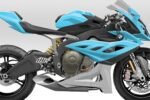
The power delivery is linear, and the gearbox is known for its precise and satisfying shifts. Even after years of use, the transmission typically remains smooth, provided it has been properly maintained. Fuel efficiency is respectable for a V4 engine, usually offering a balance between performance and practicality.
Handling and Ride Experience
When it comes to handling, the Honda Magna stands out for its stable and predictable nature. The bike handles corners better than many cruisers in its category, thanks to its well-balanced frame and manageable weight. It doesn’t feel top-heavy, which boosts confidence for riders at all skill levels.

Suspension on the Magna is tuned for comfort rather than aggressive riding. The front forks absorb road imperfections reasonably well, and the rear shocks offer sufficient damping for everyday rides. While it may not offer the plushness of modern touring motorcycles, it delivers a smooth and enjoyable experience on most road conditions.
Braking performance is solid and dependable. The front disc and rear drum combination may seem basic by today’s standards, but when maintained properly, they offer more than adequate stopping power. Riders appreciate the predictable feel of the brakes, especially when maneuvering at lower speeds.

Features and Practicality
The Honda Magna keeps things simple when it comes to features. Instead of overwhelming riders with electronics, it focuses on delivering a pure and uncomplicated riding experience. The instrument cluster typically includes a speedometer, trip meter, and warning lights. While it lacks modern features like digital displays or rider modes, many riders see this simplicity as part of its charm.
One practical advantage of the Magna is its reliability. Honda’s engineering reputation shines through in the bike’s longevity. With proper maintenance, the engine can easily last for many years without major issues. Parts availability is generally good thanks to the bike’s popularity and Honda’s extensive network.
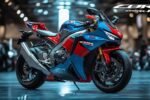
Storage is minimal, but accessories such as saddlebags, windshields, and luggage racks can be added without difficulty. This makes the Magna flexible for both daily commuting and weekend touring.
Pros and Cons
The Honda Magna offers several strengths that continue to attract riders. Its V4 engine delivers performance far beyond what most cruisers provide, and its smooth handling makes it enjoyable for both beginners and experienced riders. The bike’s reliability and low maintenance needs further enhance its appeal.
However, there are a few trade-offs. Riders looking for advanced technology or premium touring comfort may find the Magna too basic. The suspension, while adequate, may feel a bit firm for those who prefer a softer ride. Additionally, some owners wish the fuel tank were slightly larger for longer trips without frequent stops.
Conclusion
The Honda Magna remains a standout choice for riders who want the comfort of a cruiser combined with the excitement of a sport-inspired engine. Its V4 powerplant, easy handling, and dependable build quality give it a unique personality that still holds strong appeal today. Whether you are looking for a fun daily commuter or a reliable weekend machine, the Magna delivers an engaging riding experience that few cruisers in its class can match. Its balance of comfort, performance, and long-term durability ensures it stays relevant for riders who appreciate versatility and character in a motorcycle.
Disclaimer
This article is written for general informational purposes only. Specifications, performance details, and user experiences may vary depending on model year, condition, and modifications. Always review official sources and inspect any motorcycle in person before making a purchase or riding decision.