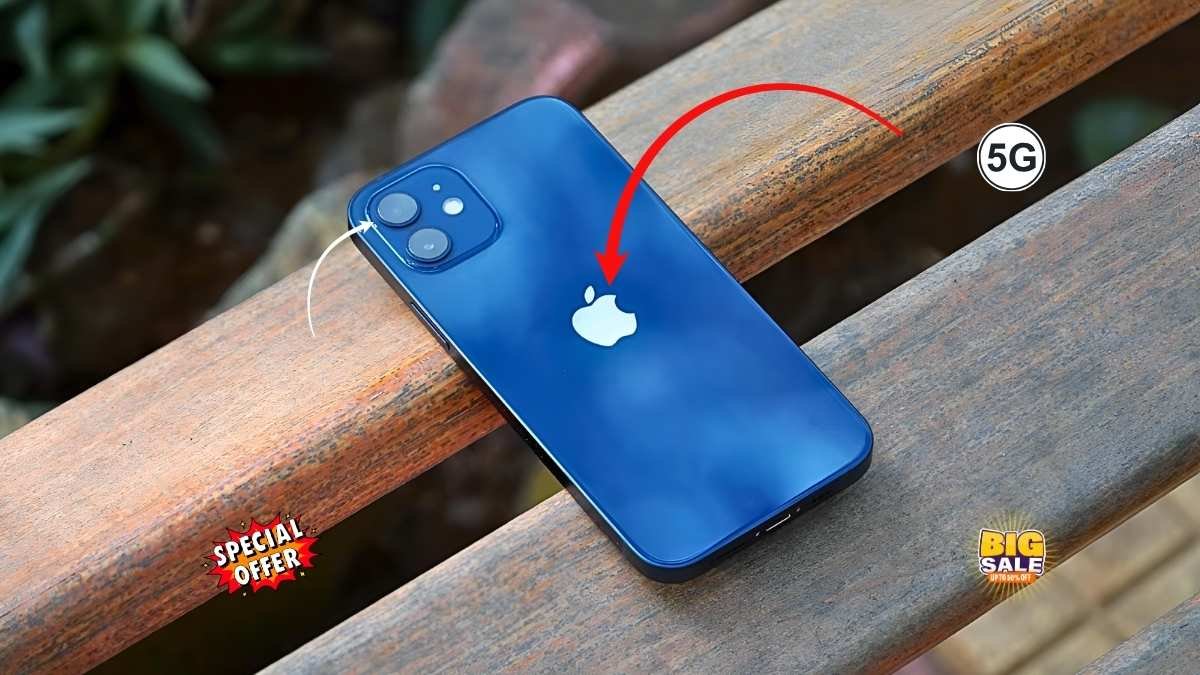
The Apple iPhone 12, released in October 2020, was a significant step in Apple’s evolution of smartphones. At the time, it introduced a slew of improvements in design, performance, and functionality, making it a standout option for many users. Despite the introduction of newer models like the iPhone 13, 14, and 15, the iPhone 12 continues to hold a special place in the hearts of users. This is largely due to its balanced combination of performance, design, and affordability compared to the more expensive flagship models. In this review, we’ll take a deep dive into the features that make the iPhone 12 still relevant today, its key strengths, potential limitations, and whether it’s still worth considering in 2025.
Design and Build Quality
One of the first things that stands out about the iPhone 12 is its design. Apple returned to a flat-edge design, which was reminiscent of the iPhone 4 and iPhone 5, giving it a more premium feel compared to the rounded edges of previous models. The glass back and front are both protected by Ceramic Shield, which Apple claims offers 4x better drop protection than previous models. The metal frame is made of aerospace-grade aluminum, which gives the phone a solid and lightweight feel.
The iPhone 12 is available in several vibrant colors, including blue, green, red, white, and black. The 6.1-inch display size strikes a great balance between being large enough for immersive content and compact enough for one-handed use. The device’s slim profile and lightweight build make it comfortable to hold for extended periods. While newer models have moved toward larger displays and more advanced materials, the iPhone 12’s design still holds up as sleek and elegant.
Display Quality: Bright, Sharp, and Beautiful
The iPhone 12 features a Super Retina XDR OLED display, which delivers vibrant colors, deep blacks, and impressive contrast. With a resolution of 2532 x 1170 pixels, the screen provides sharp visuals, whether you’re watching videos, playing games, or browsing the web.
One of the standout features of the iPhone 12’s display is its ability to reach a peak brightness of 1200 nits for HDR content, making it suitable for outdoor usage in bright sunlight. The True Tone technology also adjusts the screen’s color temperature based on your surroundings, ensuring a comfortable viewing experience. While it doesn’t have the ProMotion 120Hz refresh rate found in the iPhone 13 Pro and newer, the 60Hz refresh rate is still smooth and responsive for most tasks.

Performance and Speed
Under the hood, the iPhone 12 is powered by the A14 Bionic chip, which was Apple’s first 5nm processor. This chip delivers impressive performance, and even in 2025, it’s still capable of handling demanding tasks like gaming, video editing, and multitasking with ease. The A14 Bionic also incorporates a next-generation neural engine for enhanced machine learning capabilities, which allows the iPhone 12 to run apps and processes more efficiently.
The iPhone 12 comes with 4GB of RAM, which is sufficient for most day-to-day tasks, although it may fall short compared to newer models with more RAM. That said, iOS is highly optimized to work seamlessly with the hardware, so multitasking remains smooth. Whether you’re running multiple apps or jumping between games, the iPhone 12 still delivers a smooth and responsive experience.
Camera System: Great for Everyday Photography
The iPhone 12’s camera system may not have the advanced telephoto lens or ProRAW features of the iPhone 12 Pro, but it still offers impressive photographic capabilities for most users. The dual-camera setup includes a 12MP wide and a 12MP ultra-wide lens. The wide lens features an f/1.6 aperture, which allows for better low-light performance compared to previous models.
In good lighting conditions, the iPhone 12 captures sharp, vibrant, and true-to-life images. The Night Mode feature, which was introduced in previous iPhones, works well for low-light shots, producing bright and clear images with minimal noise. The ultra-wide lens provides a broader field of view, making it ideal for landscape shots and group photos.
The front-facing camera, a 12MP lens, is capable of great selfies with detailed textures and natural skin tones. The iPhone 12 also supports Deep Fusion and Smart HDR 3, which help to improve dynamic range and detail in photos. Video capabilities are also strong, offering 4K Dolby Vision HDR recording at 30 fps, which is impressive for a non-Pro model.

5G Connectivity and Future-Proofing
One of the major selling points of the iPhone 12 when it launched was its 5G support. With 5G becoming more widespread, the iPhone 12 remains a future-proof device, capable of delivering faster download and upload speeds, reduced latency, and better overall connectivity.
While 5G networks are still being rolled out globally, the iPhone 12 is ready for the technology. It supports both Sub-6GHz and mmWave 5G, meaning it can take advantage of the fastest 5G speeds where available. As 5G coverage continues to expand, the iPhone 12 will only become more relevant, offering users a better experience than older, non-5G models.
Battery Life and Charging
The iPhone 12 features a 2,815 mAh battery, which, while not as large as some competitors, still offers respectable performance throughout the day. With moderate use, such as browsing, social media, and light gaming, the iPhone 12 can last around 10-12 hours, which is in line with most smartphones in its class.
Apple’s power optimization, thanks to the A14 Bionic chip and iOS, ensures that battery life is maximized. For charging, the iPhone 12 supports 20W fast charging, which can charge the device up to 50% in around 30 minutes. However, it’s important to note that Apple no longer includes a charger in the box, so you’ll need to buy a compatible charger separately. The device also supports MagSafe wireless charging, which allows for easy attachment of wireless chargers and accessories.

Software Experience: iOS at Its Best
The iPhone 12 runs on Apple’s iOS, which is known for its smooth and user-friendly interface. In 2025, the device still supports the latest versions of iOS, ensuring that users have access to the newest features, security updates, and bug fixes.
Apple’s ecosystem, including iCloud, iMessage, FaceTime, and seamless integration with other Apple devices, continues to offer a smooth, interconnected experience. The software remains responsive, with minimal bloatware and the ability to customize your device with widgets, app icons, and more. iOS is also known for its privacy features, which give users control over their data and app permissions.
Why the iPhone 12 is Still Worth Considering
Despite the release of newer iPhone models, the iPhone 12 remains an excellent choice for many users. It offers flagship-level performance, great cameras, and 5G connectivity without the premium price tag of the iPhone 13 or iPhone 14. For users who don’t need the advanced camera features or larger displays of the Pro models, the iPhone 12 offers a balanced package that performs exceptionally well in almost every category.
Moreover, the iPhone 12’s software longevity ensures that it will continue to receive updates and support for several more years, making it a good investment for those who plan on keeping their phone for the long term.

Conclusion
The Apple iPhone 12 continues to be a solid choice for those looking for a powerful, well-rounded smartphone in 2025. With its beautiful design, sharp display, strong performance, and great camera system, it remains a highly capable device. While newer iPhones offer more advanced features, the iPhone 12 strikes a perfect balance of price and performance. For users who don’t need the absolute latest and greatest, the iPhone 12 remains a fantastic option that offers longevity, reliability, and an excellent user experience.
Disclaimer
This article is intended for informational purposes only. Specifications and features may vary based on model, region, and updates. Always consult official Apple resources for the latest details on the iPhone 12 and its software updates before making a purchase decision.