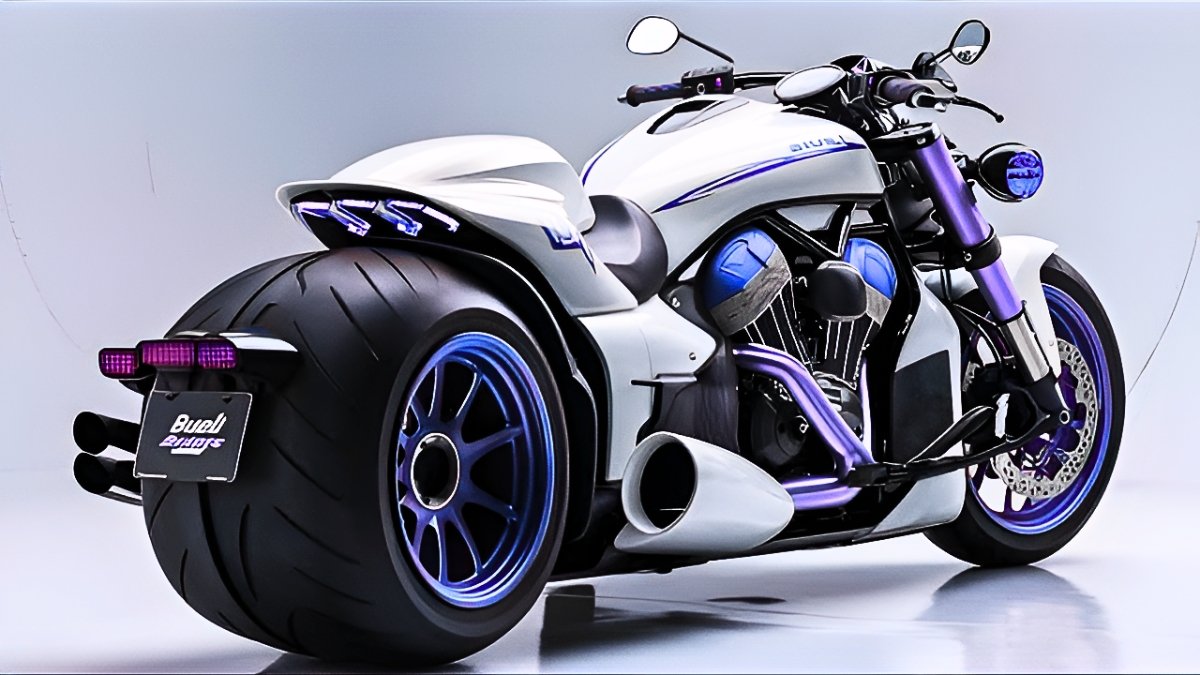
The Harley-Davidson V-Rod stands as one of the most distinctive motorcycles ever produced by the American manufacturer. When it was first launched, it broke nearly every traditional rule associated with Harley bikes. Known for its aggressive stance, modern engineering, and unmistakable muscle-bike persona, the V-Rod became a bold experiment that ultimately turned into a cult classic. Today, long after its discontinuation, the V-Rod continues to be celebrated as a powerful American muscle icon reborn in the hearts of enthusiasts. This review explores its performance, design language, riding experience, and enduring legacy in a fresh, engaging way.
The Origin of a Muscle Icon
The V-Rod emerged at a time when Harley-Davidson wanted to take a daring step toward performance-driven engineering. Instead of relying on air-cooled, pushrod motors, the company collaborated with Porsche Engineering to create a more advanced, liquid-cooled Revolution engine. This move instantly set the V-Rod apart from every sibling in the Harley lineup.
The new powerplant was a four-valve, liquid-cooled V-twin that revved higher, accelerated harder, and delivered refinement unmatched by older Harley engines. Harley wanted a machine that could compete with powerful Japanese and European cruisers, and the V-Rod fulfilled that ambition. Its futuristic styling, long stretched frame, and low-slung drag-strip attitude made it look straight out of a custom workshop.

Design That Still Looks Ahead of Its Time
Even years after the last V-Rod rolled out of production, its design remains modern and striking. The bike carries a muscular silhouette with a massive rear tire, sculpted tank, and sleek bodywork that flows from front to back. Unlike traditional Harley cruisers, the V-Rod looks more like a factory-custom drag racer than a laid-back touring machine.
Its aluminum frame beautifully exposes the engine, while the low seat height gives riders a confident stance. The polished exhausts, aggressively styled radiator housing, and wide handlebars contribute to its powerful presence. Riders often describe the V-Rod as a machine that attracts attention even when parked. It creates a perfect blend of American muscle and European-inspired engineering aesthetics, which helped it build a unique identity of its own.
Performance That Redefined Harley Expectations
The V-Rod was engineered for riders who wanted modern power without sacrificing the charm of a cruiser. Its Revolution engine delivered impressive horsepower numbers compared to most Harleys of its era. The bike pulls strongly from low revs and continues building power much higher in the rpm range than typical V-twin cruisers. This allows for explosive straight-line acceleration, making it a favorite among drag racing enthusiasts.
The handling is stable at high speeds thanks to its stretched wheelbase and solid chassis. While it may not carve sharp corners like a sportbike, the V-Rod feels planted and confident on highways. The braking setup provides strong stopping power, supporting the bike’s muscular performance. Overall, the V-Rod was a refreshing departure from Harley’s traditional focus on low-end torque and relaxed cruising.

Riding Experience on Open Roads
Riding a V-Rod is an experience layered with both excitement and intensity. The seating position is stretched out, giving a drag-style feel with feet forward and arms slightly extended. While this adds to the aggressive character, it may become tiring on long rides.
The throttle response is smooth yet commanding, urging the rider to push it harder. The exhaust note is not the usual Harley rumble; instead, it delivers a refined and modern roar that suits the bike’s sporty nature. On highways, the V-Rod maintains speed effortlessly and feels incredibly stable.
However, in city traffic or tight turns, the long wheelbase becomes noticeable, making low-speed maneuverability a bit challenging. The firm suspension setup, designed for performance, can feel stiff on uneven roads. Despite these compromises, riders appreciate the V-Rod for its raw personality and thrill factor.

Why the V-Rod Became a Legacy Machine
The V-Rod is remembered as a motorcycle that pushed Harley-Davidson into unexplored territory. It represented innovation and risk-taking at a time when the brand was largely associated with tradition. Riders who appreciated modern technology, performance, and bold styling instantly connected with it.
Even after discontinuation, the V-Rod’s popularity has grown in custom culture. Many owners modify these bikes with wide rear tires, custom paint, air-ride suspensions, and unique exhaust setups. The model has achieved cult status in multiple countries, becoming a symbol of power and individuality.
Who Should Ride the V-Rod Today
The V-Rod suits riders who want a Harley that is anything but traditional. If you enjoy strong acceleration, modern engineering, and distinctive styling, this bike fits perfectly. It is ideal for weekend rides, short highway runs, and for those who appreciate a powerful presence on the road.
However, riders looking for long-distance comfort, classic Harley character, or easy maneuverability may find it less suitable. The V-Rod demands a rider who appreciates performance over practicality.
Conclusion
The Harley-Davidson V-Rod remains one of the most daring and influential motorcycles the brand ever created. Its unique blend of futuristic design, modern engineering, and muscular performance makes it unforgettable. Even years after its production ended, the V-Rod continues to turn heads and attract riders who want a machine that stands apart from the crowd. It may not follow the traditional Harley formula, but that is exactly why it became an icon. The V-Rod is a motorcycle that celebrates power, rebellion, and innovation, keeping its legacy alive among enthusiasts worldwide.
Disclaimer
This article is written for general informational and entertainment purposes. Specifications and experiences may vary depending on model year, condition of the motorcycle, and rider preferences. Always consult professional sources or certified dealers for detailed technical guidance or purchase-related decisions.