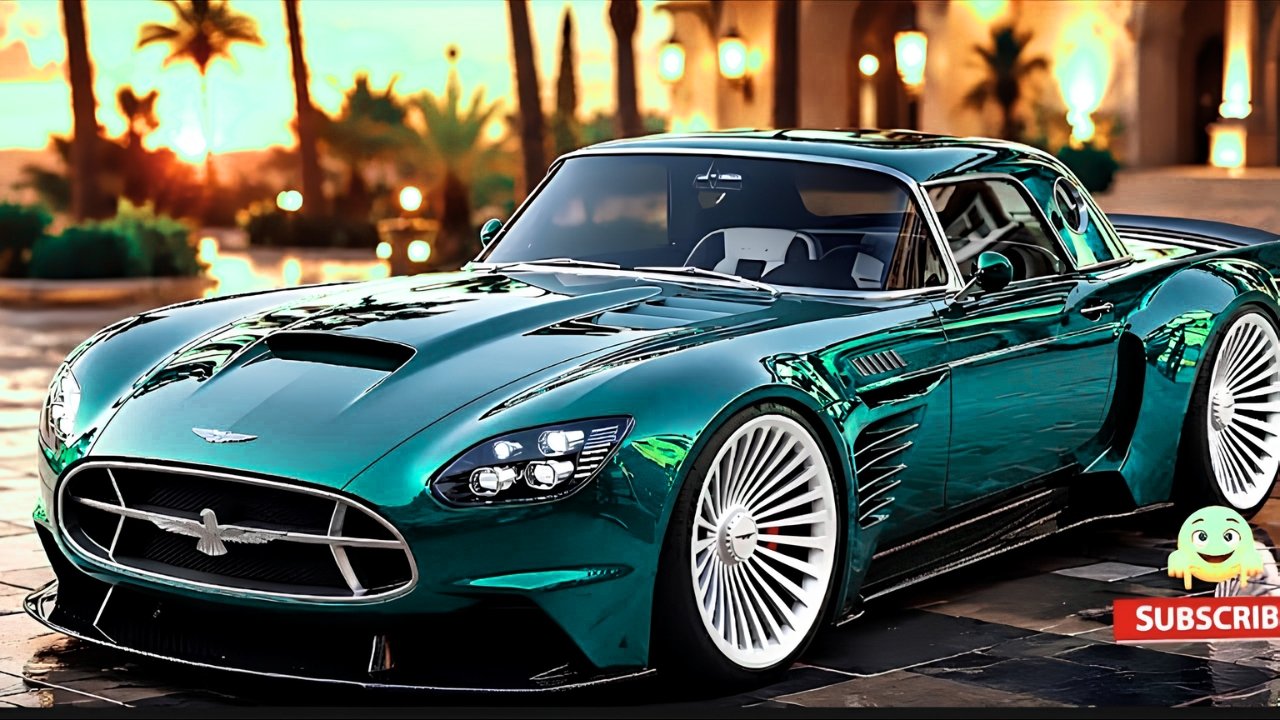
Ford Thunderbird The Ford Thunderbird is one of the most iconic cars ever produced in American automotive history. Known for its stylish design, powerful engines, and luxury-focused driving experience, the Thunderbird captured the hearts of millions of car lovers across generations. From its debut in the 1950s to its final production years in the early 2000s, the Thunderbird remained a symbol of elegance, innovation, and performance.
Unlike traditional sports cars that focused only on speed, the Thunderbird introduced a new concept known as the “personal luxury car.” It combined comfort, advanced features, and sporty styling into one complete package. This unique identity allowed the Thunderbird to stand out in a highly competitive market and become one of Ford’s most memorable creations.
Today, the Thunderbird continues to enjoy legendary status among collectors, classic car enthusiasts, and automotive historians. Its timeless design and rich heritage make it a true American classic.
The Birth of the Ford Thunderbird
The Ford Thunderbird was first introduced in 1955 by the Ford Motor Company. During that time, American consumers were becoming increasingly interested in stylish sports cars. Chevrolet had launched the Corvette, and Ford wanted to create a vehicle that could compete while offering more luxury and comfort.
Instead of building a pure sports car, Ford focused on creating a sophisticated vehicle that combined sporty performance with premium features. The result was the Thunderbird, a two-seat convertible that immediately attracted attention for its elegant appearance and smooth driving experience.
The first-generation Thunderbird featured a sleek body design, chrome accents, and a powerful V8 engine. Buyers appreciated its comfortable interior, advanced features, and strong road presence. Sales exceeded expectations, proving that there was a strong market for personal luxury vehicles in America.
Evolution Through the Decades
One of the most fascinating aspects of the Ford Thunderbird is how it evolved over the years. Each generation introduced new styling trends, technologies, and performance upgrades while maintaining the Thunderbird identity.

1950s Thunderbird
The original Thunderbird models from the 1950s are often considered the most beautiful. These early versions featured rounded curves, tailfins, chrome detailing, and classic American styling. The 1957 Thunderbird became especially popular because of its refined design and improved performance.
These models offered a perfect combination of luxury and excitement. Drivers enjoyed powerful V8 engines, smooth handling, and comfortable interiors that made long-distance travel enjoyable.
1960s Thunderbird
During the 1960s, the Thunderbird grew larger and more luxurious. Ford introduced four-seat models to attract families and upscale buyers. The design became more futuristic, with sharp lines, hidden headlights, and advanced interior features.
The 1961 “Bullet Bird” Thunderbird became one of the most recognizable models of the decade. Its aerodynamic styling and powerful engine options made it a standout vehicle on American roads.
Throughout the decade, the Thunderbird continued to reflect changing automotive trends while maintaining its premium image.
1970s Thunderbird
The 1970s brought a major shift in automotive design and consumer preferences. Luxury and comfort became more important than pure performance, and the Thunderbird adapted accordingly.

These models became larger, heavier, and more focused on smooth cruising. Plush interiors, soft suspension systems, and advanced comfort features defined the Thunderbird during this era. Vinyl roofs, large grilles, and elegant styling helped maintain its luxurious reputation.
Although performance declined slightly due to changing emission regulations and fuel concerns, the Thunderbird remained a strong seller in the American market.
1980s Thunderbird
In the 1980s, Ford redesigned the Thunderbird with a more modern and aerodynamic appearance. This generation introduced improved fuel efficiency, advanced electronics, and turbocharged engine options.
The Thunderbird Turbo Coupe became especially popular among enthusiasts because of its sporty handling and impressive performance. Ford successfully balanced luxury and sportiness, making the Thunderbird appealing to younger drivers.
This era helped modernize the Thunderbird while keeping its classic identity alive.
1990s and Final Generation
The Thunderbird continued into the 1990s with smoother styling and improved technology. However, changing market trends and growing competition from SUVs reduced demand for personal luxury coupes.

In 2002, Ford briefly revived the Thunderbird with a retro-inspired design that paid tribute to the original 1950s model. This final generation featured classic styling cues, modern safety features, and premium interiors.
Although production officially ended in 2005, the Thunderbird’s legacy remained stronger than ever.
Iconic Design and Styling
One of the biggest reasons behind the Thunderbird’s popularity is its timeless design. Every generation offered something unique while staying true to the Thunderbird spirit.
Classic Thunderbirds featured elegant curves, wide grilles, chrome bumpers, and stylish tailfins. Later models adopted sharper lines, futuristic elements, and aerodynamic shapes to match changing trends.
The interiors were equally impressive. Premium upholstery, spacious cabins, stylish dashboards, and advanced features gave drivers a luxury experience long before modern luxury cars became common.
The Thunderbird represented confidence, sophistication, and American craftsmanship. Even today, restored Thunderbirds attract attention at car shows and classic vehicle events worldwide.

Performance and Engine Power
The Ford Thunderbird was never just about looks. Performance played a major role in its success throughout the decades.
Early Thunderbirds featured strong V8 engines that delivered impressive acceleration and smooth highway cruising. As automotive technology advanced, Ford introduced more powerful and efficient engine options.
Some Thunderbird models featured high-performance engines capable of producing exciting driving experiences. Turbocharged variants in the 1980s improved both speed and fuel efficiency, while later generations focused on balanced performance and comfort.
Drivers appreciated the Thunderbird’s smooth ride quality, responsive steering, and comfortable handling. It offered a refined driving experience that made it suitable for both city roads and long-distance travel.
Cultural Impact and Popularity
The Thunderbird became more than just a car — it became a cultural icon in America. Over the years, it appeared in movies, television shows, music videos, and advertisements. Celebrities, business professionals, and car enthusiasts proudly owned Thunderbirds as symbols of style and success.
Its popularity also reflected changing American lifestyles. During the 1950s and 1960s, owning a Thunderbird represented freedom, luxury, and modern living. The car became associated with road trips, glamorous lifestyles, and classic American culture.

Even decades after production ended, the Thunderbird continues to inspire automotive designers and collectors around the world.
Thunderbird as a Collector’s Car
Today, classic Ford Thunderbirds are highly valued among collectors. Vintage models from the 1950s and 1960s are especially desirable because of their iconic styling and historical significance.
Restored Thunderbirds often appear at classic car auctions and automotive exhibitions. Enthusiasts appreciate their craftsmanship, rarity, and nostalgic appeal.
The value of certain Thunderbird models has increased significantly over the years, making them attractive investments for collectors. Limited-edition versions and well-maintained originals are particularly sought after.
Owning a Thunderbird is not only about having a vehicle — it is about preserving an important piece of automotive history.
Why the Thunderbird Remains Timeless
The Thunderbird remains timeless because it successfully combined luxury, style, comfort, and performance in a way few cars could achieve. It constantly evolved with changing trends while maintaining its unique identity.
Its influence on the personal luxury car segment can still be seen in modern vehicles today. The Thunderbird proved that a car could be elegant, comfortable, and exciting at the same time.
Classic car enthusiasts continue to admire its design, while younger generations appreciate its historical importance and vintage charm. The Thunderbird’s ability to connect with people across generations is what makes it truly legendary.
Key Highlights
- Introduced in 1955 as Ford’s answer to luxury sports cars
- Created the “personal luxury car” segment in America
- Famous for stylish designs, chrome detailing, and premium interiors
- Offered powerful V8 engines and smooth driving performance
- Evolved through multiple generations with changing automotive trends
- Became a cultural icon featured in movies and popular media
- Highly collectible among classic car enthusiasts today
- Final production ended in 2005, but its legacy continues worldwide
Final Words
The Ford Thunderbird remains one of the most legendary vehicles ever built by Ford. Its combination of timeless style, luxurious comfort, and strong performance helped it become a true icon of American automotive culture. From the glamorous 1950s convertibles to the modern retro-inspired models of the 2000s, the Thunderbird consistently delivered a unique driving experience that appealed to millions.Even today, the Thunderbird continues to inspire admiration among collectors, historians, and car enthusiasts across the globe. Its rich heritage and unforgettable design ensure that it will always hold a special place in automotive history. The Thunderbird was never just a car — it was a statement of elegance, freedom, and American innovation.