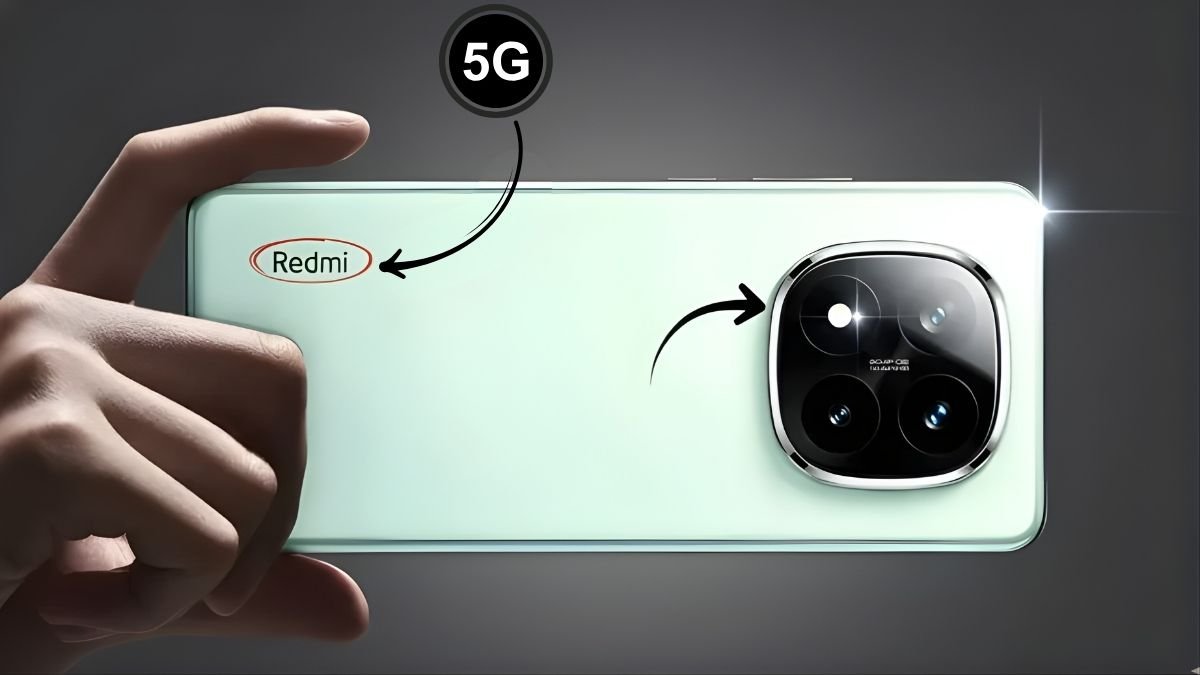
The year 2026 has marked a pivotal shift for Xiaomi and its sub-brand Redmi, as they move away from the megapixel race to focus on meaningful technology like ultra-dense silicon batteries and integrated artificial intelligence. As 5G networks in India have matured to offer nearly universal coverage, the demand for hardware that can keep up with high-speed data without draining the battery has never been higher. Xiaomi’s 2026 roadmap reflects a deep understanding of this shift, offering a diverse portfolio that ranges from professional-grade imaging flagships to budget-friendly 5G powerhouses. This guide provides an extensive look at the devices that are set to define the smartphone market over the next twelve months.
The Flagship Benchmark Xiaomi 17 Ultra and Pro Series
The pinnacle of Xiaomi’s engineering for 2026 is undoubtedly the Xiaomi 17 Ultra. This device is designed to challenge the very definition of a smartphone camera. While previous generations focused on sensor size, the 17 Ultra introduces a variable mechanical aperture across its primary and telephoto lenses, developed in partnership with Leica. This allows photographers to have physical control over depth of field, a feature previously reserved for professional cameras. Under the hood, it utilizes the latest Snapdragon 8 Elite chipset, which has been optimized for the new HyperOS 3 to provide a seamless user experience.
The standard Xiaomi 17 Pro follows closely, offering a more balanced flagship experience. It features a new Quad-Curved All-Around display that eliminates bezels almost entirely, giving the phone a futuristic, pebble-like feel in the hand. The 17 Pro also introduces Xiaomi’s proprietary Surge P5 charging chip, which manages a 6500mAh battery. This is a significant jump in capacity made possible by new high-density materials that allow for more power without increasing the physical dimensions of the phone.
The Mid-Range Revolution Redmi Note 15 Series
In the Indian market, the Redmi Note series has always been the volume driver, and the Note 15 lineup for 2026 is the most ambitious yet. Xiaomi has split the series into four distinct models: the Note 15 5G, Note 15 Pro, Note 15 Pro Plus, and the new Note 15 Explorer Edition. The biggest news here is that IP68 water and dust resistance, once a luxury feature, has become standard across the Pro and Pro Plus models. This move is expected to force competitors to rethink their build quality in the mid-range segment.

The Redmi Note 15 Pro Plus is particularly impressive, featuring a 200MP main camera with improved optical image stabilization and a 1.5K resolution AMOLED display. To power these high-end features, Redmi has equipped the device with the MediaTek Dimensity 8400 chipset, which provides flagship-level performance at a fraction of the cost. The series also continues to lead in charging speeds, with the Explorer Edition capable of a full 100 percent charge in less than 15 minutes, making it ideal for the fast-paced lifestyle of modern users.
Performance Reimagined Redmi K90 and Turbo Series
For the gaming community and power users, the Redmi K90 series remains the primary focus. Often rebranded as the Poco F-series in international markets, the K90 and K90 Pro are built around raw speed. The 2026 models feature a specialized stainless steel vapor chamber cooling system that is nearly forty percent larger than last year’s version. This ensures that the processor can maintain peak performance during long gaming sessions without overheating or dropping frame rates.
The new Redmi Turbo 5 has also emerged as a surprise hit in the early 2026 lineup. It occupies the space between the Note series and the K series, offering a flagship-tier processor but with a more minimalist design and a flat display. This “performance-first” approach has resonated with enthusiasts who want the fastest possible phone for gaming and multitasking without paying for premium camera glass or curved screens. The Turbo 5 features a 144Hz refresh rate and specialized gaming triggers built into the frame.

Budget 5G for the Masses Redmi 15 and 15C
Xiaomi’s commitment to democratizing 5G technology is most evident in the Redmi 15 series. As 4G begins to phase out in many regions, the Redmi 15 5G and 15C 5G provide an affordable entry point for millions of users. These devices are built to be reliable workhorses, featuring massive 7000mAh batteries and energy-efficient processors from the Dimensity 6000 series. The focus here is on longevity and signal reception rather than flashy features.
Despite being budget-friendly, the Redmi 15 series has seen a significant upgrade in display quality, moving to 90Hz high-refresh-rate panels as the base standard. The software has also been lightened to ensure that even with 4GB or 6GB of RAM, the user experience remains fluid. These phones are expected to be the backbone of Xiaomi’s market share in rural and semi-urban areas, where battery life and network connectivity are the two most critical factors for any smartphone buyer.
HyperOS 3 and the AI Ecosystem Integration
Every smartphone launching in the 2026 lineup comes pre-installed with HyperOS 3. This updated operating system is the core of Xiaomi’s “Human x Car x Home” ecosystem strategy. The software now includes deep integration with Xiaomi’s electric vehicles and smart home appliances, allowing users to control their entire environment from their notification shade. The AI capabilities have also been moved on-device, meaning features like real-time voice translation and advanced photo editing no longer require an active internet connection to function.

Xiaomi has also focused on privacy and longevity with HyperOS 3. The system now includes a specialized security chip that encrypts biometric data and passwords at the hardware level. Furthermore, Xiaomi has committed to providing four years of major Android updates and five years of security patches for the Note and K series, significantly improving the resale value and lifespan of these devices. This shift toward a more sustainable software model is a welcome change for long-term Xiaomi fans.
Key Highlights
The 2026 flagship series introduces variable mechanical aperture lenses in partnership with Leica for professional photography.
IP68 water resistance and 1.5K AMOLED displays become the new standard for the mid-range Redmi Note series.

The introduction of silicon-carbon battery technology allows for capacities up to 7500mAh without increasing phone thickness.
The Redmi K90 series features an enlarged vapor chamber and specialized gaming hardware for peak performance.
The new Redmi 15 series brings stable 5G connectivity and massive battery life to the sub-ten-thousand price bracket.

HyperOS 3 provides a unified AI-driven experience across phones, cars, and smart home devices with enhanced on-device privacy.
Final Words
The 2026 lineup from Xiaomi and Redmi represents a mature approach to technology where the focus is on the actual needs of the consumer. By prioritizing battery endurance, build durability, and a unified software ecosystem, Xiaomi is moving beyond being just a hardware manufacturer to becoming a true technology lifestyle brand. Whether you are looking for the absolute best in mobile cinema with the Xiaomi 17 Ultra or a dependable daily driver like the Redmi Note 15, the 2026 collection offers something for every type of user. As these devices hit the shelves, they are set to reinforce Xiaomi’s position as a dominant force in the global 5G smartphone market.