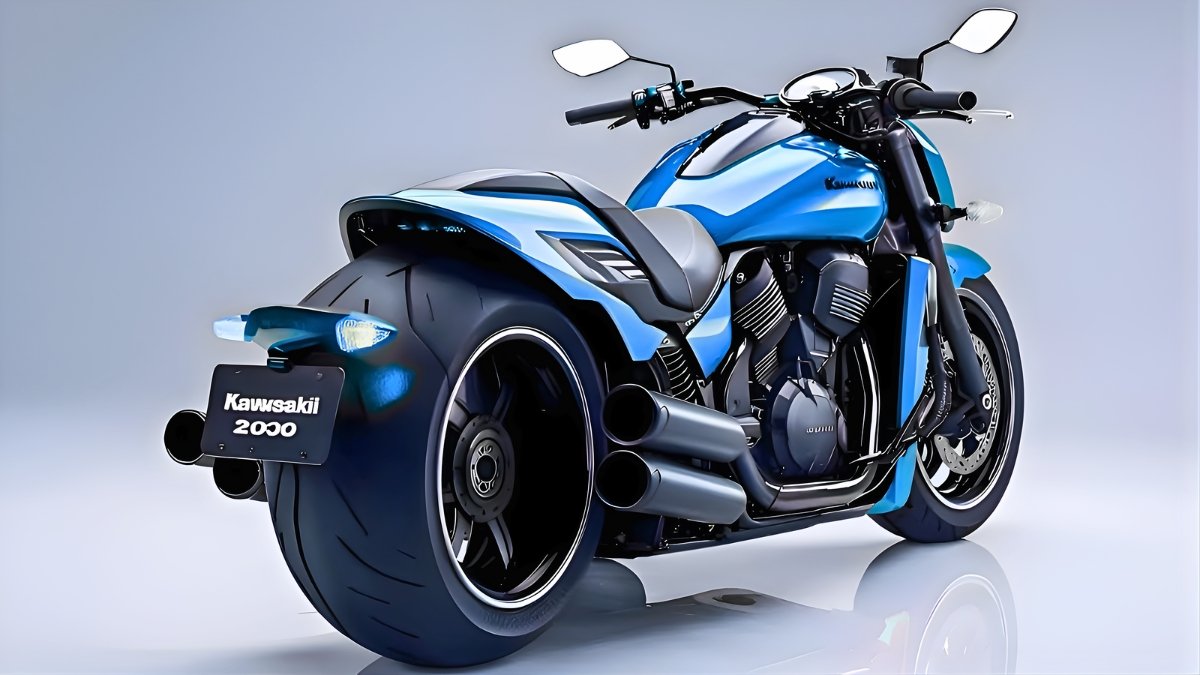
The year 2000 marked a special chapter in motorcycle history, especially for riders who admired power mixed with mechanical simplicity. Among the standout machines of that era, the Kawasaki 2000 bike earned a reputation for its strong engine performance, durable build and engaging riding experience. Even today, this model continues to hold a special place among enthusiasts who appreciate classic engineering more than modern electronic-heavy machines. In this detailed review, we explore the core strengths of the Kawasaki 2000 bike, including its design, performance, features, handling and long-term ownership impressions.
Design and Build Quality
The Kawasaki 2000 bike carries the unmistakable design language of the early 2000s—sharp, muscular and practical. Unlike today’s bikes filled with digital screens and aerodynamic extremes, this Kawasaki model embraces a clean mechanical presence. The fuel tank is sculpted to offer comfort for long rides, while the frame has a solid, reassuring feel. The seating posture is upright enough to avoid fatigue but sporty enough to give the rider a sense of connection with the road.
The build quality is one of its strongest areas. Kawasaki has always been known for manufacturing motorcycles that can handle heavy usage and varied road conditions. Metal components dominate the structure, giving the bike a rugged and long-lasting appeal. Even after years of use, many riders report minimal body rattles, stable alignment and reliable component integrity. This durability is one of the reasons the bike remains in demand in the used motorcycle market.
Engine Specifications and Performance
At the heart of the Kawasaki 2000 bike lies an engine that reflects the engineering standards of its time—simple, powerful and responsive. The engine displacement varies depending on the specific variant released in different markets, but the overall performance character remains consistent across the lineup. The throttle response is smooth, the mid-range power delivery is strong and the engine pulls confidently even at higher speeds.

One of the most enjoyable aspects of riding this bike is its raw mechanical feel. There is no electronic intervention reducing or shaping the power. What the engine produces is delivered straight to the wheels, providing a sense of honesty and connection that many riders feel is missing in modern motorcycles. Whether used for daily commuting or occasional highway rides, the Kawasaki 2000 maintains a predictable and exciting performance profile.
Fuel efficiency is respectable for an older motorcycle. It may not match modern eco-tuned engines, but for its time, the mileage was considered more than reasonable. Riders who maintain the bike well can still see consistent fuel economy numbers that make it a practical choice even today.
Handling and Riding Comfort
Handling is another area where the Kawasaki 2000 bike performs admirably. The chassis offers stability without feeling overly stiff. Cornering feels natural, and the bike responds well to rider input. The suspension setup is tuned for mixed conditions, making it suitable for both urban environments and open roads. While the suspension does not absorb bumps as gracefully as modern adjustable systems, it still performs reliably and comfortably for riders who understand the nature of older bikes.

The braking system provides adequate stopping power with predictable feedback. Some variants come with front disc brakes, which significantly enhance the bike’s control during sudden stops. The rear braking response is moderate, preventing wheel lock and giving the rider confidence even on slippery surfaces.
Comfort plays an important role in the overall experience, and the Kawasaki 2000 manages this aspect well. The seat is wide enough for long journeys, and the riding posture does not strain the wrists or lower back. Even after extended hours on the road, riders often report minimal fatigue, which speaks to the thoughtful ergonomics of the motorcycle.
Features and Technology
Since the Kawasaki 2000 bike belongs to a pre-digital era, the features are minimal but practical. The instrument cluster uses traditional analog dials for speed, fuel and engine temperature. These gauges provide clear visibility under all lighting conditions and rarely face functional issues. Basic features such as halogen lighting, electric start and reliable mechanical switches form the foundation of the bike’s usability.

While some may see the lack of modern features as a drawback, many enthusiasts appreciate the simplicity because it keeps the bike easy to maintain. Fewer electronic components mean fewer chances of sudden failures. Riders who enjoy mechanical work find the Kawasaki 2000 especially pleasing to own because it can be serviced at home with basic tools.
Ownership Experience and Maintenance
The Kawasaki 2000 bike has built a reputation for being one of the more dependable motorcycles of its time. With proper maintenance, the engine remains smooth, and the overall riding quality stays consistent even after years of use. Spare parts availability varies by region, but many components are still accessible through aftermarket suppliers or Kawasaki’s extended network.
Maintenance costs remain reasonable as long as the bike is serviced regularly. The engine oil, chain adjustments, brake checks and basic tune-ups are straightforward and affordable. Many riders enjoy customizing this model because its structure allows easy modifications without compromising reliability.

Why It Still Holds Value Today
The motorcycle world has advanced rapidly, but the Kawasaki 2000 still attracts attention because it represents an era when bikes were built for long-term durability and honest performance. Riders who prefer raw power, simple mechanics and a nostalgic riding sensation often seek out this model. Its classic appeal, combined with a sporty nature, makes it a timeless choice for collectors and daily riders alike.
Conclusion
The Kawasaki 2000 bike stands as a memorable machine that blends reliable engineering, comfortable handling and classic styling. It offers a riding experience that feels pure and engaging, free from excessive electronics and full of mechanical charm. For riders who appreciate motorcycles that deliver straightforward performance and long-lasting durability, the Kawasaki 2000 remains an excellent option even decades after its release.
Disclaimer
This review is based on general information, rider experiences and widely observed characteristics of Kawasaki’s 2000-era models. Exact specifications and performance may vary depending on the specific variant, region and condition of the motorcycle. Always verify details with a certified mechanic or seller before making purchasing decisions.