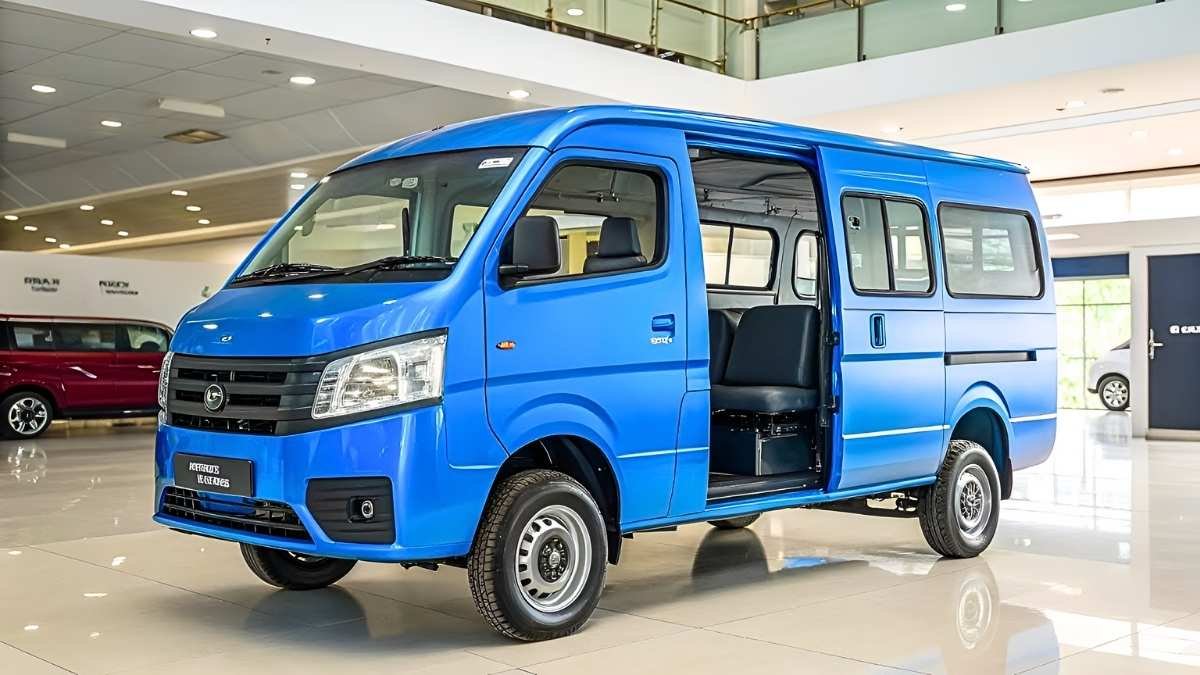
India’s shared mobility landscape is evolving rapidly, driven by urbanization, rising fuel costs, environmental concerns, and changing consumer preferences. From employee transport and school vans to last-mile logistics and ride-sharing fleets, the demand for practical, efficient, and future-ready vehicles is stronger than ever. Against this backdrop, the Tata Winger 2026 emerges as a significant step forward. Designed to meet modern mobility needs, it reflects Tata Motors’ vision for smarter, cleaner, and more adaptable transportation solutions tailored for Indian roads and businesses.
What is the Tata Winger 2026?
The Tata Winger 2026 is the latest evolution of Tata Motors’ popular light commercial vehicle platform, reimagined for the future of shared mobility. It is built to serve multiple purposes, including passenger transport, staff commuting, ambulance services, and urban logistics. With a focus on flexibility, comfort, and operational efficiency, the Winger 2026 is positioned as a people-centric vehicle rather than just a utility van. Its modular design allows operators to customize seating layouts, cargo space, and interior features depending on their specific business requirements.
When Did the Tata Winger Become Important for Shared Mobility?
The Tata Winger gained prominence in India during a time when businesses began seeking alternatives to traditional vans and minibuses. Over the years, it proved its value in corporate fleets, school transportation, and healthcare services. By 2026, shared mobility has become a core part of urban life, making vehicles like the Winger more relevant than ever. The latest version builds on this legacy, adapting to current needs such as improved fuel efficiency, lower emissions, and enhanced passenger comfort.

How Does the Tata Winger 2026 Support Shared Mobility?
Shared mobility depends on reliability, affordability, and ease of use, and the Tata Winger 2026 addresses all three. Its spacious interior allows for comfortable seating, even during longer commutes. Wide doors and a low step-in height make entry and exit easier, especially for elderly passengers and children. For operators, the vehicle offers optimized fuel consumption and reduced maintenance requirements, helping lower overall operating costs. These qualities make it well-suited for daily, high-usage scenarios typical of shared transport services.
What Makes the Design Suitable for Indian Conditions?
The design of the Tata Winger 2026 reflects a deep understanding of Indian road and traffic conditions. Its compact turning radius makes it easy to maneuver through congested city streets, while its strong suspension system handles uneven roads with confidence. The elevated driving position improves visibility, enhancing safety for drivers navigating busy urban environments. At the same time, the vehicle’s aerodynamic profile contributes to better efficiency, a key consideration for fleet operators focused on long-term savings.

How Does Comfort Play a Role in Shared Mobility?
Passenger comfort is a critical factor in shared mobility adoption. The Tata Winger 2026 emphasizes a car-like driving and riding experience, which is essential for daily commuters. Improved seating ergonomics, better ventilation, and reduced cabin noise contribute to a more pleasant journey. For drivers, the comfortable cabin layout reduces fatigue during long shifts, improving safety and productivity. These features help shared mobility services deliver a higher-quality experience to users, encouraging repeat usage.
When Technology Meets Practicality
Technology plays an increasingly important role in fleet management, and the Tata Winger 2026 integrates features that support this shift. Compatibility with GPS tracking, fleet monitoring systems, and digital scheduling tools allows operators to manage vehicles more efficiently. Real-time data helps reduce downtime, optimize routes, and improve service reliability. This blend of technology and practicality ensures that the Winger 2026 remains relevant in an era where data-driven decision-making is essential for mobility businesses.

How the Tata Winger 2026 Aligns with Sustainability Goals
Sustainability is becoming a priority for both private companies and government initiatives in India. The Tata Winger 2026 aligns with these goals through improved engine efficiency and reduced emissions. By enabling shared transportation, it also helps reduce the number of private vehicles on the road, contributing to lower congestion and pollution levels. For organizations aiming to meet environmental targets, adopting efficient shared mobility vehicles like the Winger is a practical and impactful step.
What Role Does the Winger Play in Urban and Semi-Urban Mobility?
The versatility of the Tata Winger 2026 allows it to operate effectively in both urban and semi-urban areas. In cities, it supports corporate shuttles, airport transfers, and ride-sharing services. In smaller towns and rural regions, it serves as a reliable transport solution for schools, healthcare facilities, and local businesses. This wide range of applications strengthens its position as a backbone vehicle for India’s evolving mobility ecosystem.

How the Tata Winger 2026 Benefits Fleet Owners
For fleet owners, profitability depends on durability, efficiency, and adaptability. The Tata Winger 2026 offers long service intervals, strong build quality, and easy availability of spare parts through Tata’s extensive service network. These factors reduce downtime and maintenance costs. Its adaptability allows fleet operators to repurpose vehicles as business needs change, ensuring better return on investment over time.
Key Highlights
The Tata Winger 2026 is designed as a future-ready shared mobility vehicle for India. It offers flexible configurations for passenger and utility use. Comfort, efficiency, and ease of operation make it suitable for daily shared transport. The vehicle supports modern fleet technology and aligns with sustainability goals. Its versatility allows it to serve urban, semi-urban, and institutional mobility needs effectively.

Final Words
The Tata Winger 2026 represents more than just an update to an existing model; it reflects a shift in how mobility is perceived in India. As shared transportation becomes central to urban planning and business operations, vehicles must balance comfort, efficiency, and adaptability. The Winger 2026 achieves this balance by addressing real-world challenges faced by operators and passengers alike. With its thoughtful design and future-focused approach, it stands as a strong contender in shaping the next phase of shared mobility in India.